


The 1960s TV series Dark Shadows began on April 17, 1967. Although the Dan Curtis-created series had aired since June 1966, the 209 previous episodes don’t really matter, except for completionists or contrarians. Episode 210 is when Dark Shadows was reborn from the ashes of a gloomy gothic soap opera that spent days mining intense drama from a pen into an utterly insane avante-garde series about vampires, witches, werewolves, and disembodied heads.
Most syndication packages start with Episode 210 and that’s the first one I saw back in fall of 1988. It felt as if I were dropped into an otherwise normal world where everyone was preoccupied with mundane secrets and personal challenges. They were completely unprepared for what was about to happen.
The episode opens with the usual narration from Collins family governess Victoria Winters (Alexandra Moltke). She is the series star at this point, but she doesn’t yet realize she’s about to be upstaged.
“My name is Victoria Winters,” she says. “There are no limits to the things some men will do. They sink to the bottomless depths of corruption. They will desecrate sacred ground, and violate that which should remain sealed forever.”
Unwelcome house guest Willie Loomis (John Karlen) believes there’s a treasure trove of jewels hidden somewhere in the Collins family mauseleum, so like any respectable grave robber, he plans to break in and steal them before skipping town — except he’s not going anywhere, and neither is the audience.
Willie stumbles upon a secret room in the mauseleum, where he finds a chained coffin. He assumes that’s where the jewels are hidden, so while almost sweating with greed, he breaks the chains and opens the coffin. What he finds horrifies him: A hand reaches out and grabs him by the throat. The hand belongs to Barnabas Collins, the eventual breakout star of Dark Shadows. (Watch below.)
Set extra Timothy Gordon played Barnabas’s hand in that cliffhanger scene. Actor Jonathan Frid would officially debut as Barnabas Collins at the end of the next episode on April 18. He’s first seen from behind when startled housekeeper Mrs. Johnson (Clarice Blackburn) answers the door. His face isn’t fully visible until he stands in front of his own 18th Century portrait and says, with an eerie smile, “Oh, madam, if you would, you may tell her that it’s ... Barnabas Collins.” Now, that’s an entrance. (Watch below.)
A vampire on a daytime soap opera was unusual, but once that same vampire became the show’s time-traveling anti-hero, Dark Shadows was officially no longer like any other TV show on the air. His relationship with Dr. Julia Hoffman (the magnificant Grayson Hall) is a precursor in many ways to the dynamic between The X-Files’ Mulder and Scully, who also investigated bizarre paranormal activity but Barnabas and Julia never really had to leave their house.
Cynics might fixate on the production mishaps (the show was effectively performed like like theatre), but Dark Shadows was an incredibly ambitious program that, when watched today, feels more modern than any other genre series from its period. While Star Trek and The Avengers are episodic, with no continuing narrative, Dark Shadows has story arcs with specific “Big Bads” like we’d later see on Buffy the Vampire Slayer or Only Murders In The Building. (Buffy obviously has the vampires and monsters, and Murders is based in a gothic apartment building with a body count that rivals Collinwood.) Dark Shadows’ serialized nature fits well in today’s streaming culture, and with more than 1,000 episodes, its ideally suited for binge-watching. I still watch a couple episodes a day. Dark Shadows is like a treasured family heirloom, one of many gifts to me from my mother, who loved everything spooky and unconventional.
Spring is here, even in Portland — well, at least every once in a while. If you haven’t already, please consider taking advantage of my “Spring Fling” subscription sale — 40 percent off the usual annual paid subscriber rate. That’s just $30 a year. Thanks to all who have upgraded to paid subscriber status recently. Remember, summer is ready when you are.
Previously on The Play Typer Guy:
I wasn’t interested in discussing the whole Lindy West discourse, considering everyone else in the media world was doing so, but then I learned just 3,000 people have bought her book so far. I’m assuming this includes relatives and friends.

I had the chance to chat with Steward Beckham and Evan Stern about The Bulwark, which could use a reality check. This was Part 1. Part 2 is next week.

So, Project Hail Mary author Andy Weir doesn’t think politics and social commentary belong in his work, which has me wondering if he’s read his own work.

I explore the white moderate obsession with “Sister Souljah” moments and explain what they miss about Bill Clinton’s 1992 campaign.
My fellow Dark Shadows fan, author Laramie Dean, has a new book out, Haunt Me Then, which you should check out. We have an annual Halloween chat on the podcast. Back in 2023, we celebrated the life of Lara Parker, our beloved Angelique Collins.
Remembering My Beloved Angelique Collins, Lara Parker From 'Dark Shadows'
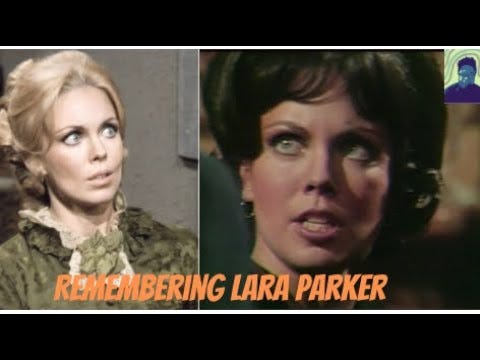
Born Mary Lamar Rickey in Knoxville, Tennessee, Lara Parker was the “blackhearted Angelique Collins” in the 1960s “Dark Shadows” TV series. Sadly, while Angelique defied death many times, Parker could not. She passed away just a few weeks shy of her 85th birthday. My friend author and playwright Laramie Dean joins me to discuss our favorite Angelique mo…
That’s it for this week. See you on Monday.
Which one of the characters comes back from the grave and is all supermonstro ugly? And she blames Barnabas for bringing her back from the dead? Now, I'd like you to imagine a pair of little girls in the Lehigh Valley, Pennsylvania, watching that reveal in the way they watched the scarier episodes, from the safety of their kitchen, looking at a tv set that was 15 feet away. And here comes the reveal, the shroud falls: "LOOK AT ME!"---my future wife and my sister in law shrieked in terror, and my mother in law to be comes roaring out of the sewing room: "NO MORE DARK SHADOWS!"
Also would like a mention of Joan Bennett, who may have looked hungover a lot, but in her day an exemplar of noir (awesomely trampy in 1945's Scarlet Street. Fritz Lang, who directed her in that and in Woman in the Window was a devotee of Dark Shadows, watching it with his good eye up close to the screen).
I was a surly teen living in a group foster home when the show was fresh. I had no interest in TV at the time, and I've never considered watching it later on in my life. Maybe I should rethink my choices.